Two entire forests have been transplanted onto a tabletop. The environmental value demonstrated by Forest Bank

Overview
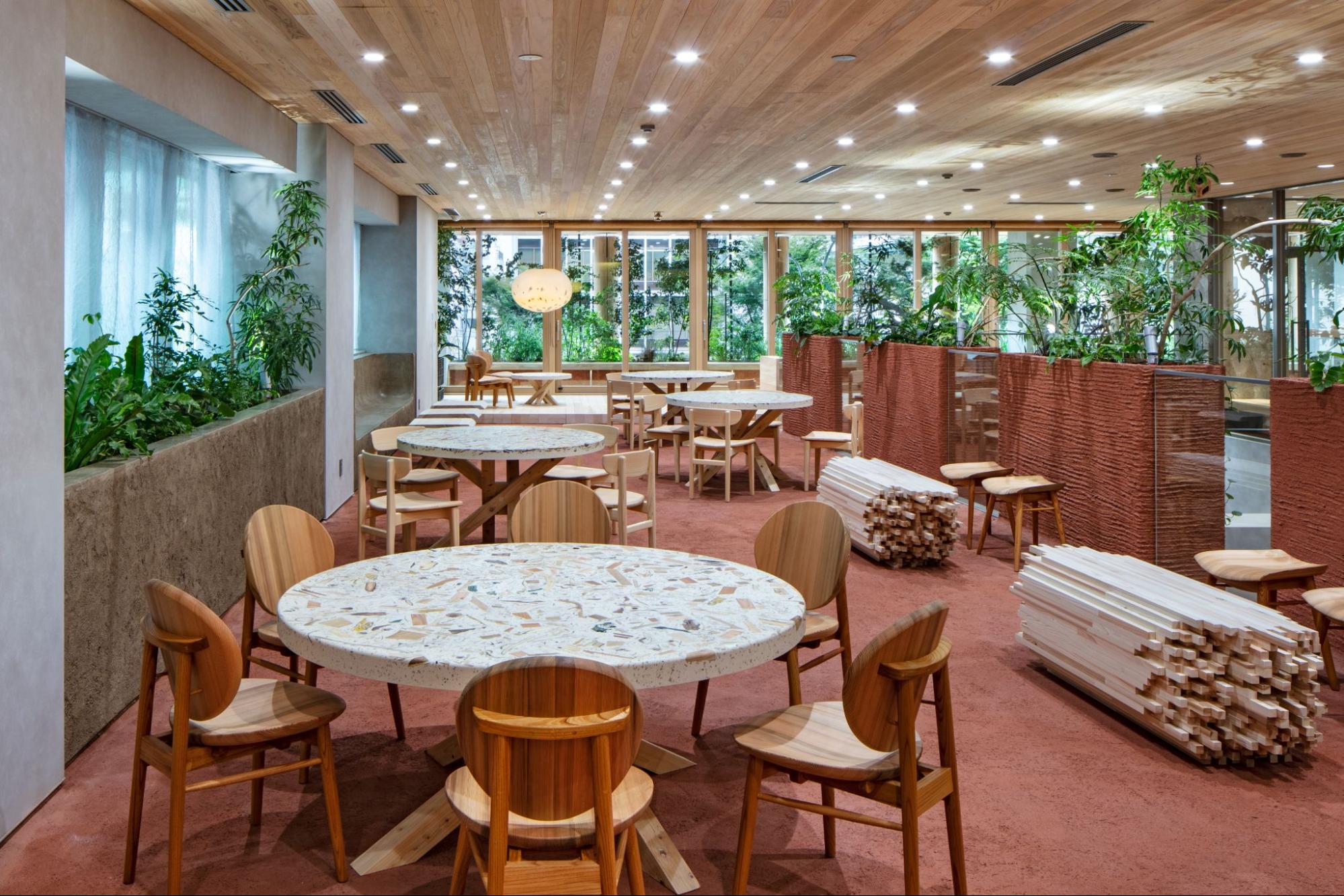
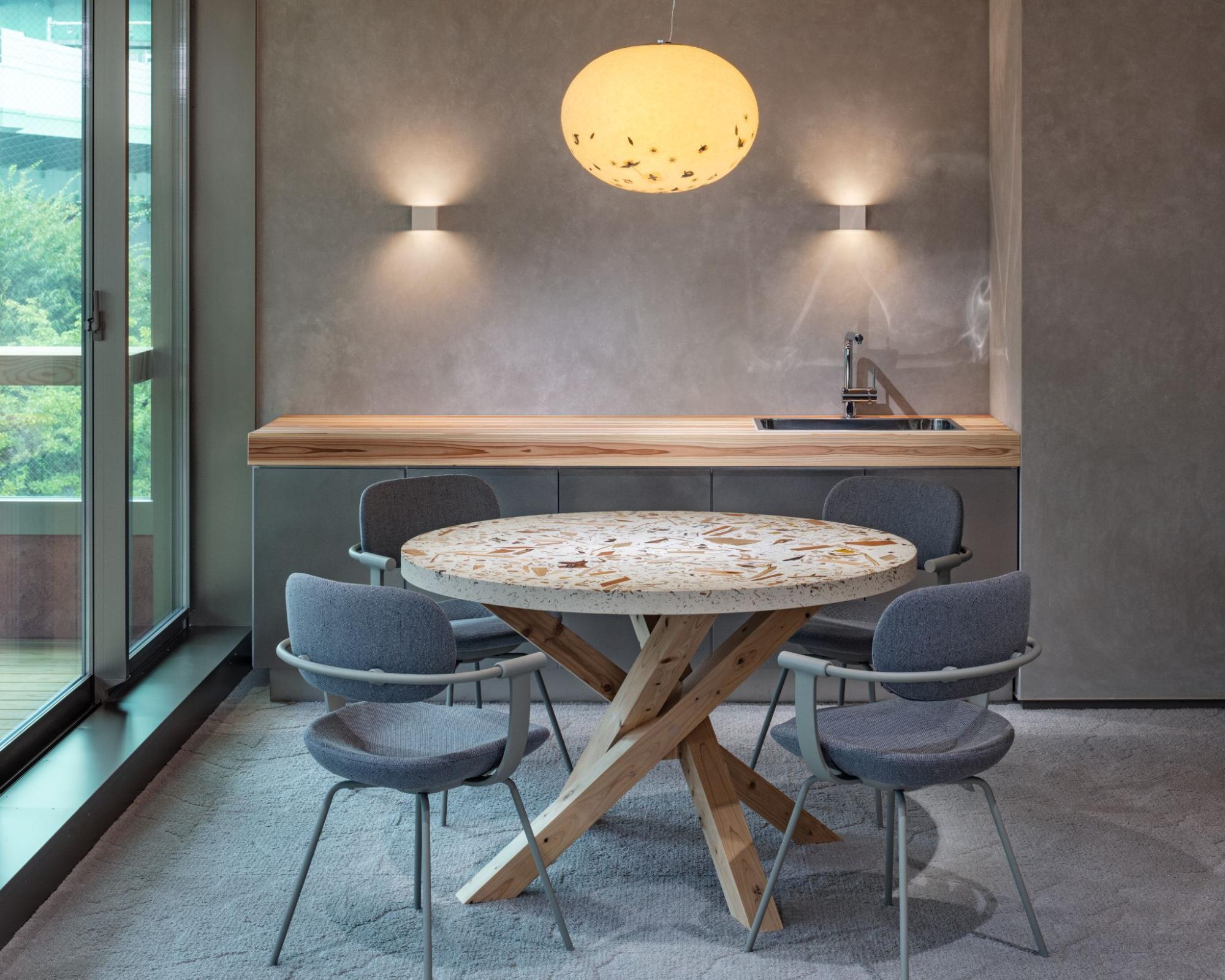
A material made from forest resources used for table tops in the renovation project at the Asanuma-gumi Nagoya Branch
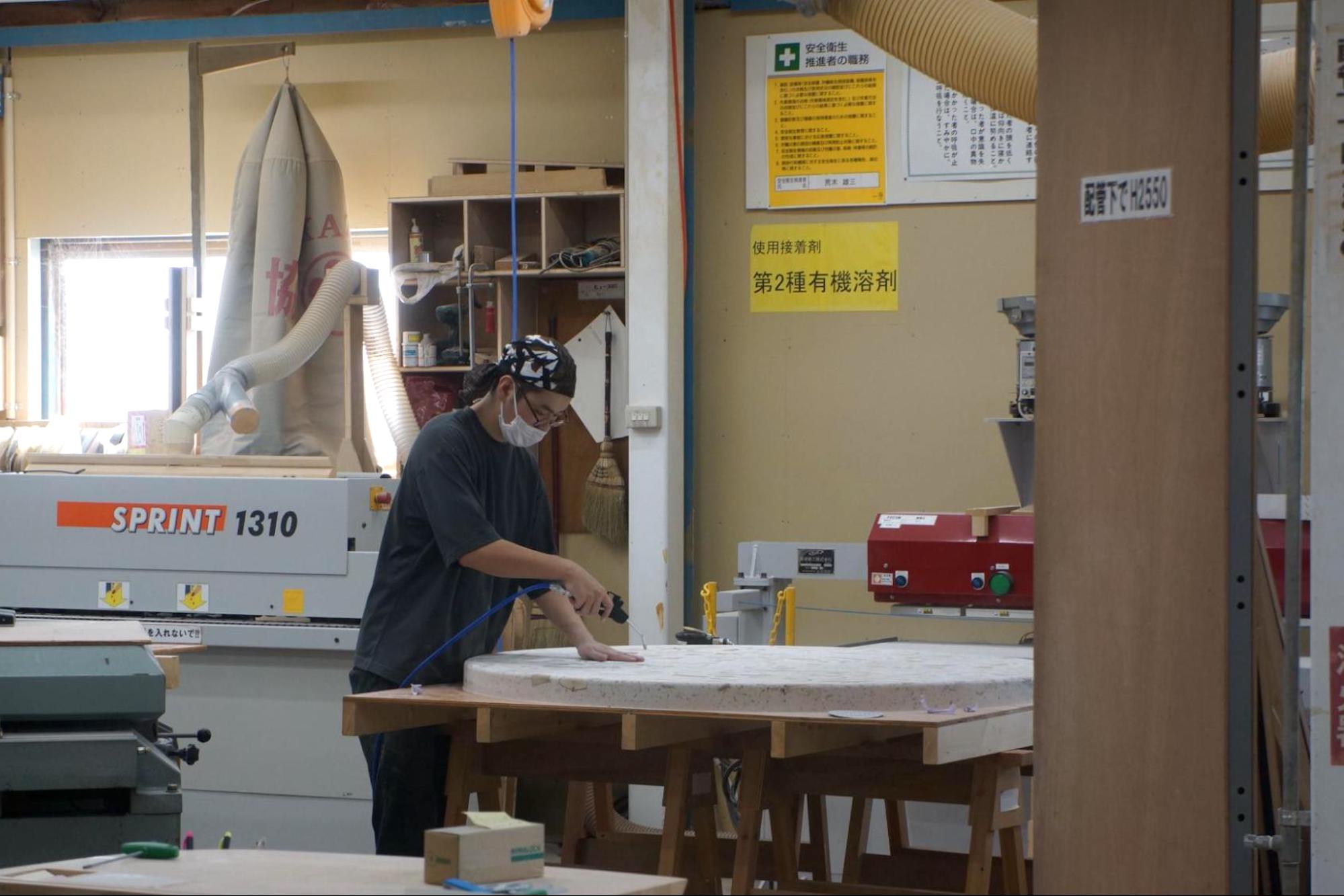
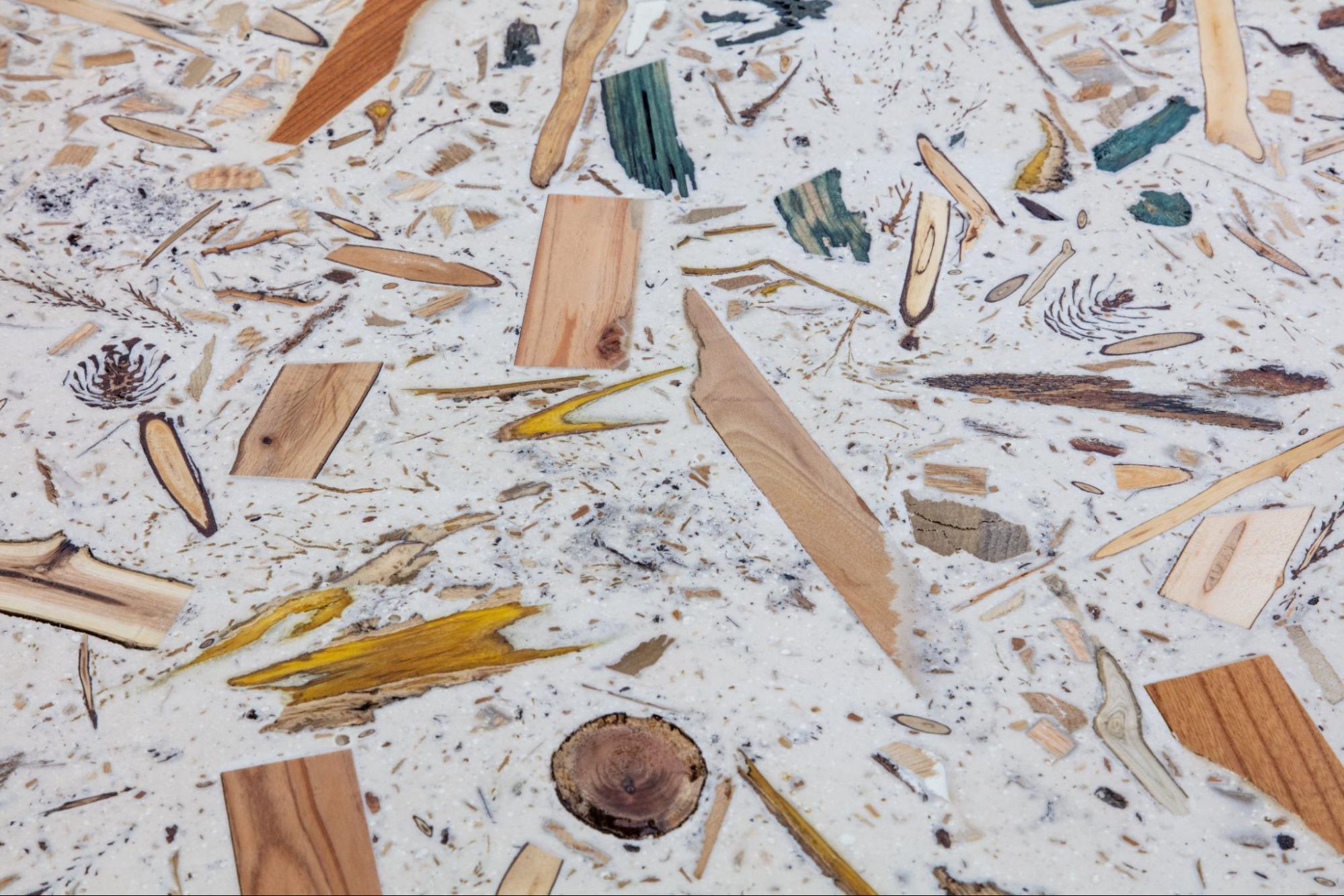
A table made from the “Forest Bank” material—created by designer Yuma Kano (STUDIO YUMAKANO) during his stay in Hida—adorns the Nagoya branch of Asanuma-gumi, which was completed on September 16, 2021, following renovation work.
The building is the first installment of the company’s “GOOD CYCLE BUILDING” initiative, which aims to create a “cycle that is good for both people and the Earth.” It was designed jointly by the Norihisa Kawashima Architectural Design Office and Asanuma-gumi’s Design Department. Materials and technologies that promote resource circulation have been incorporated throughout the structure.
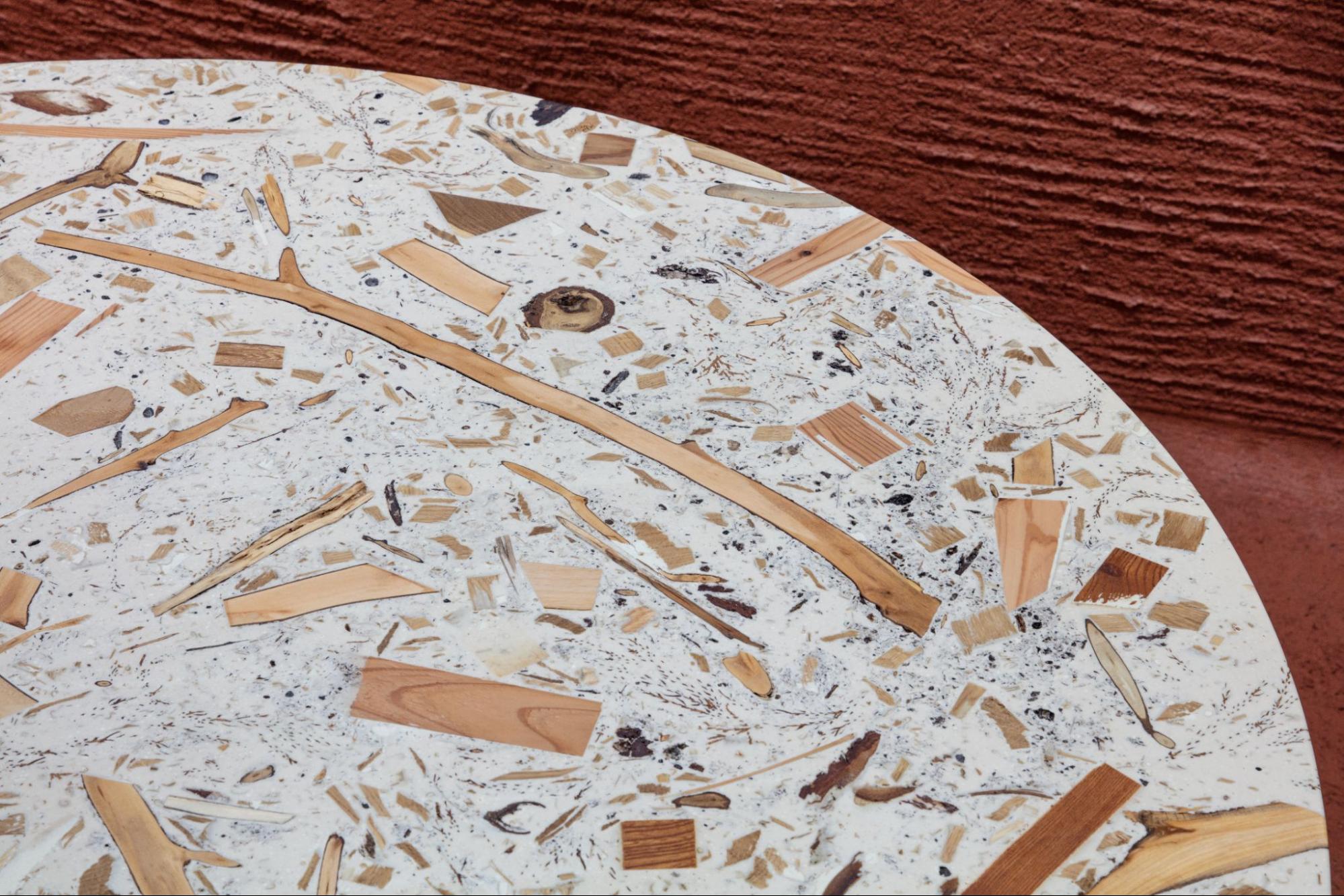
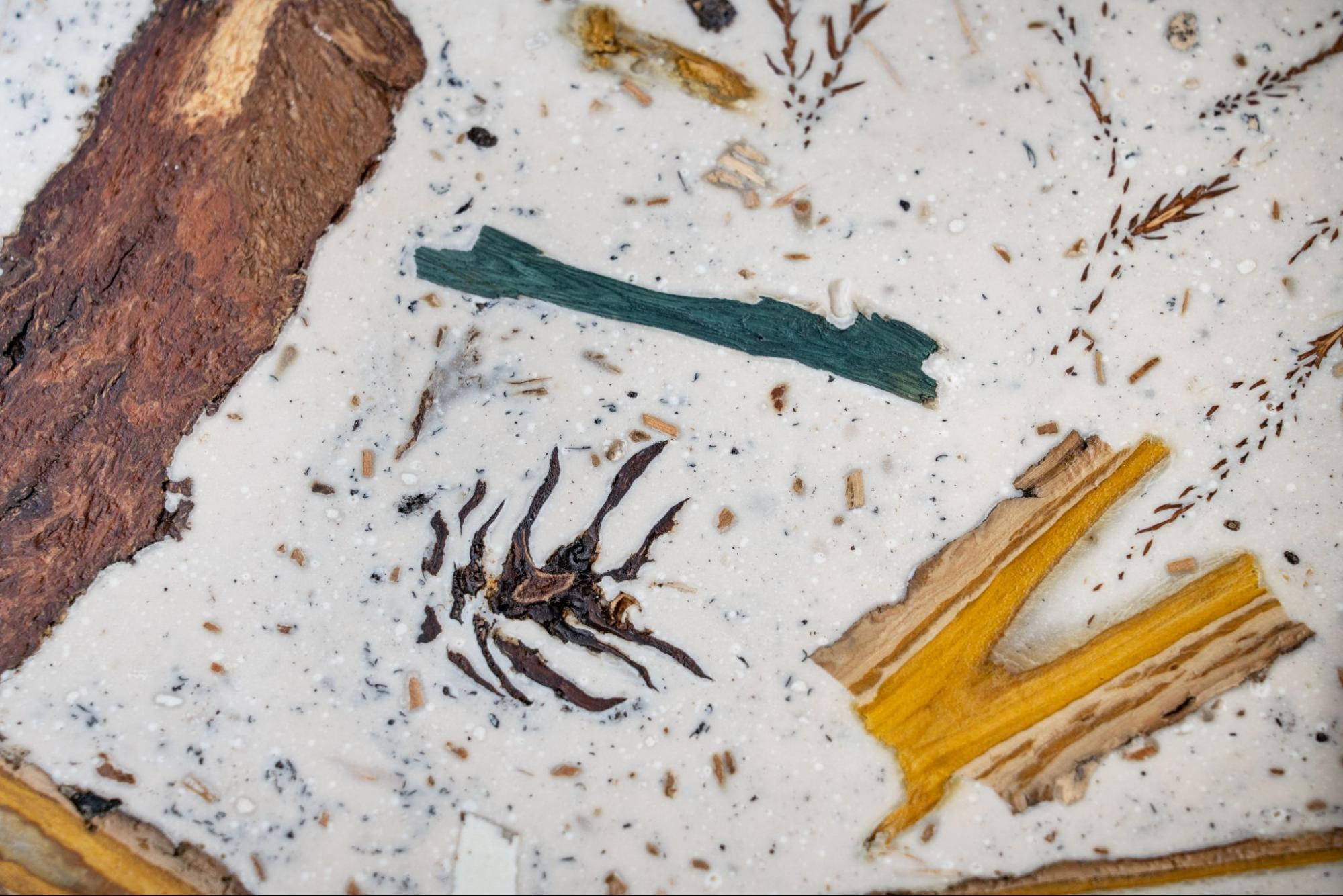
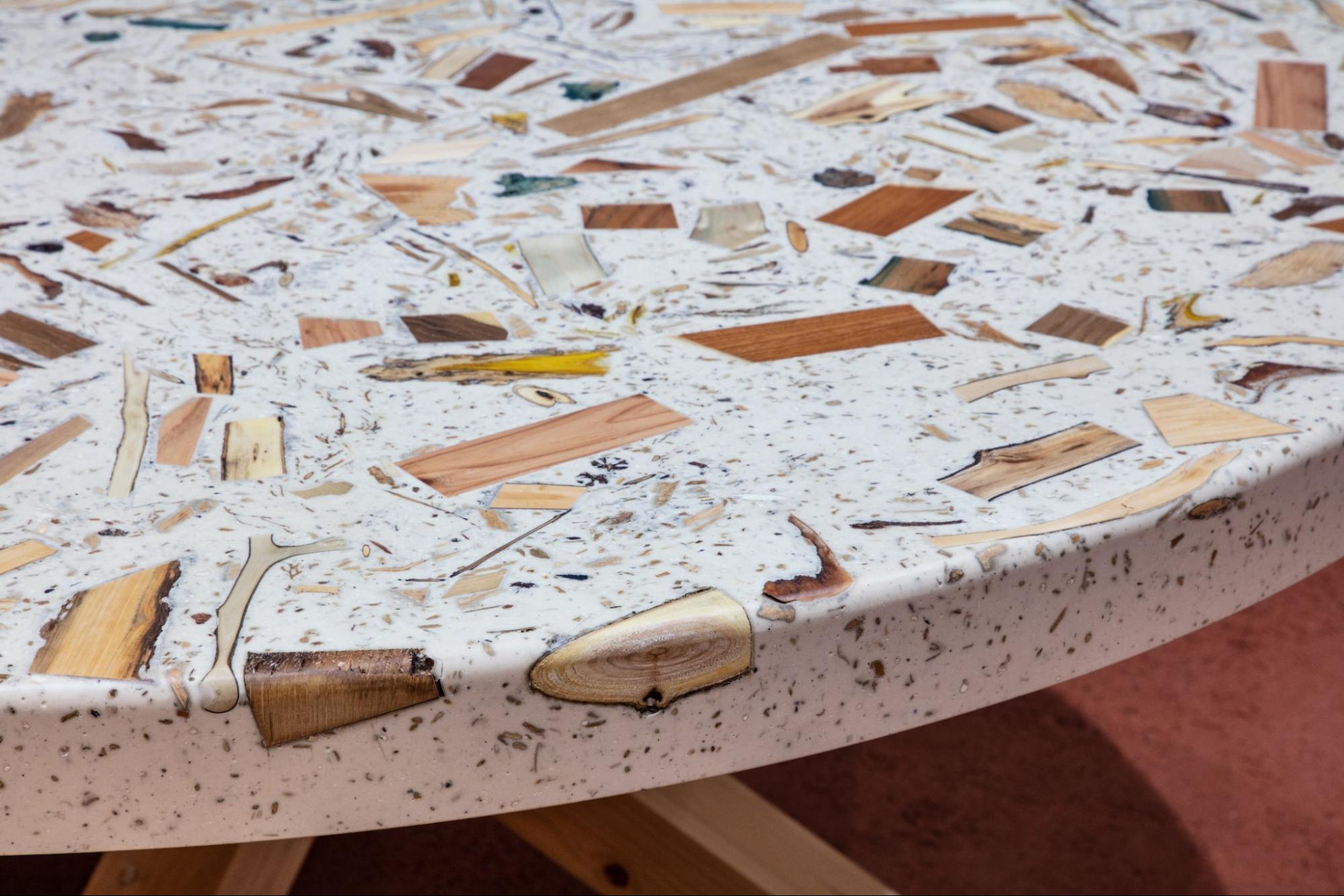
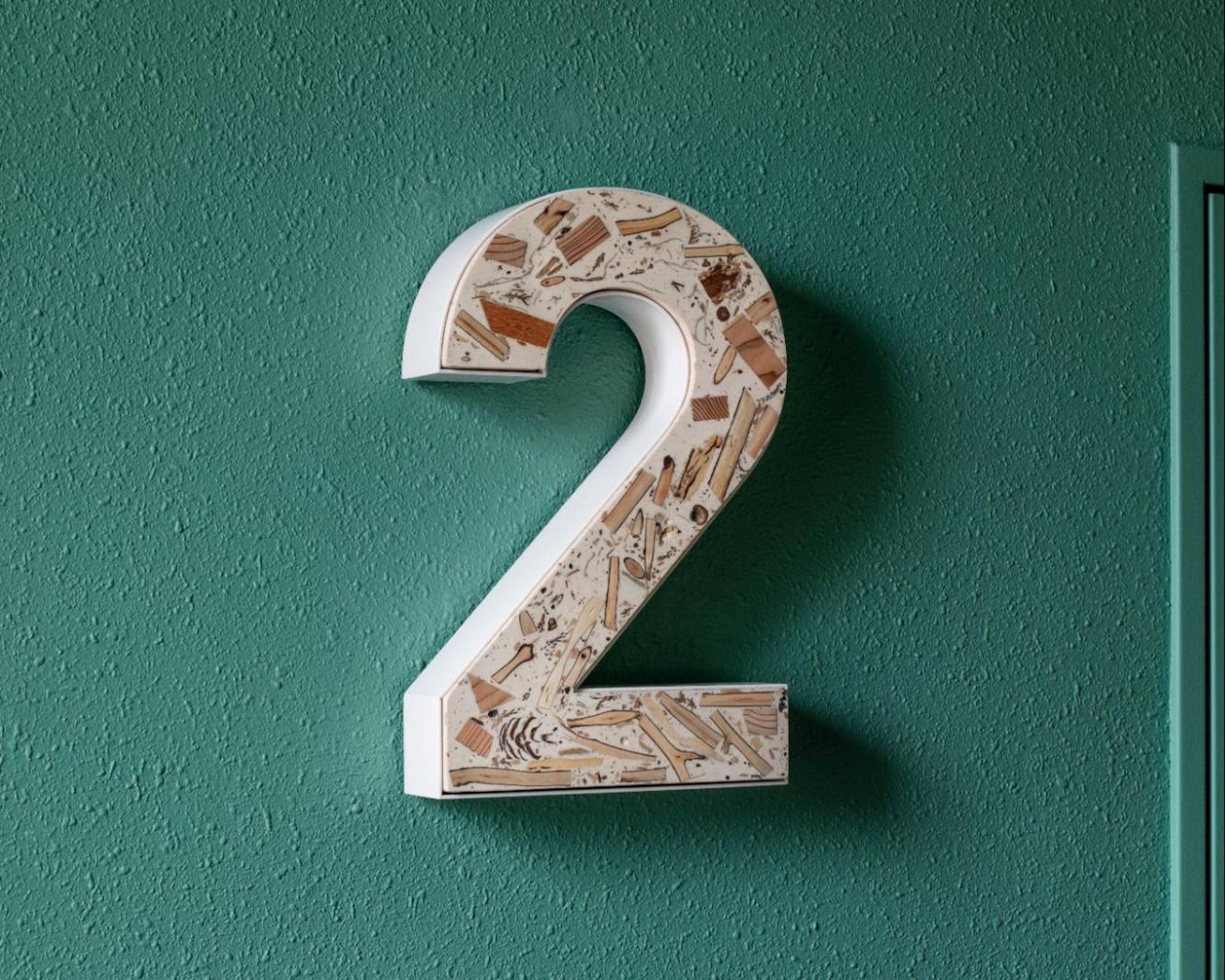
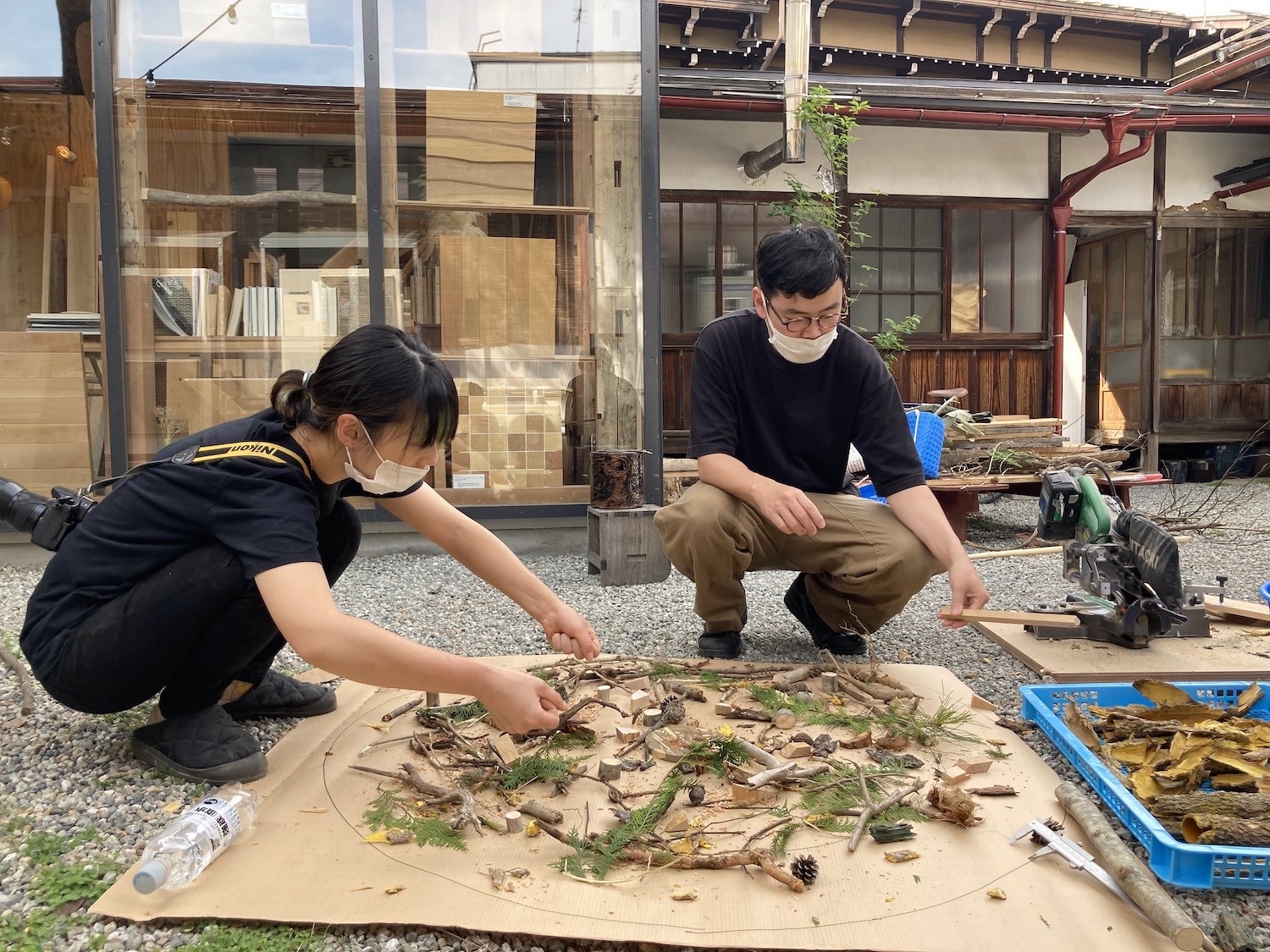
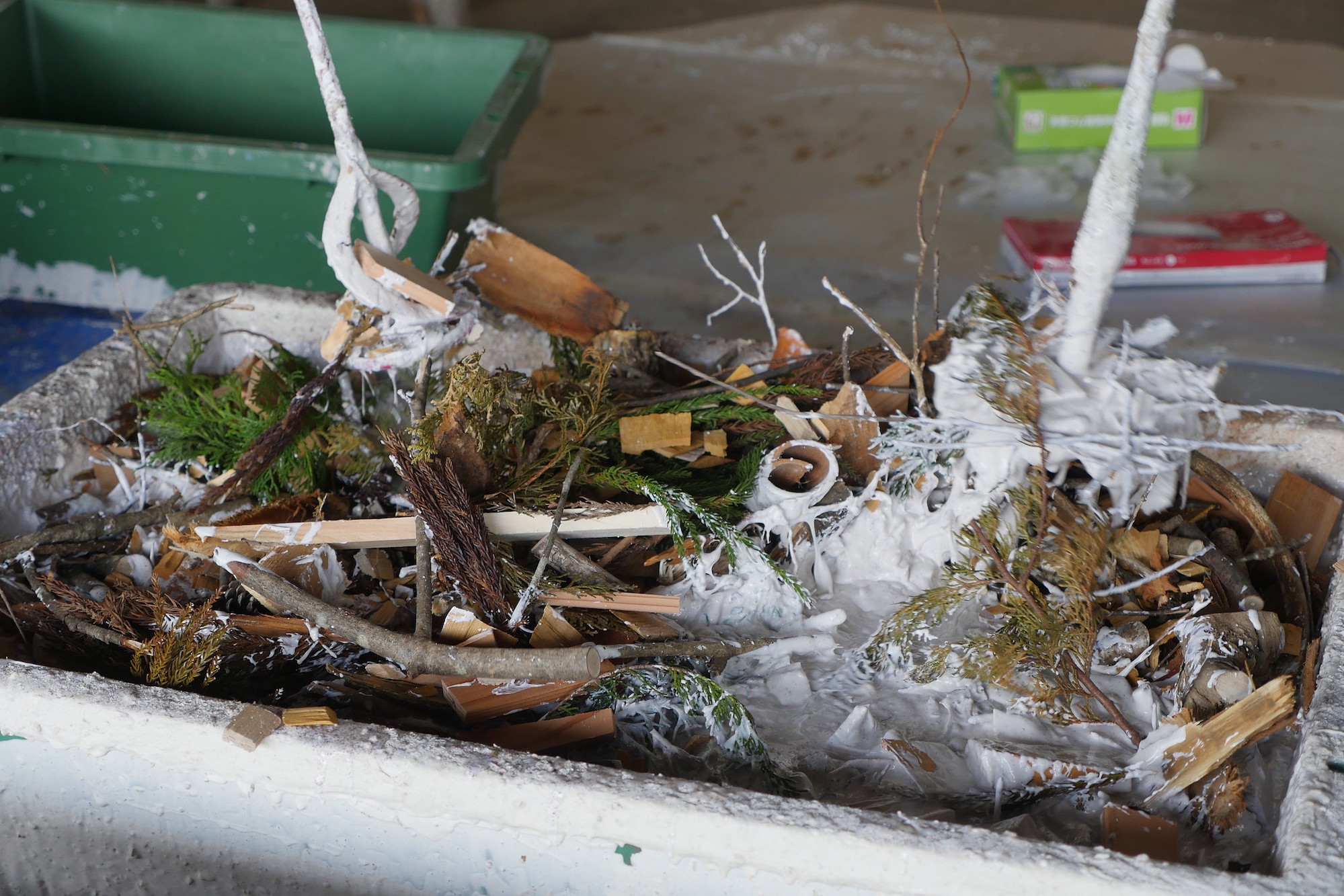
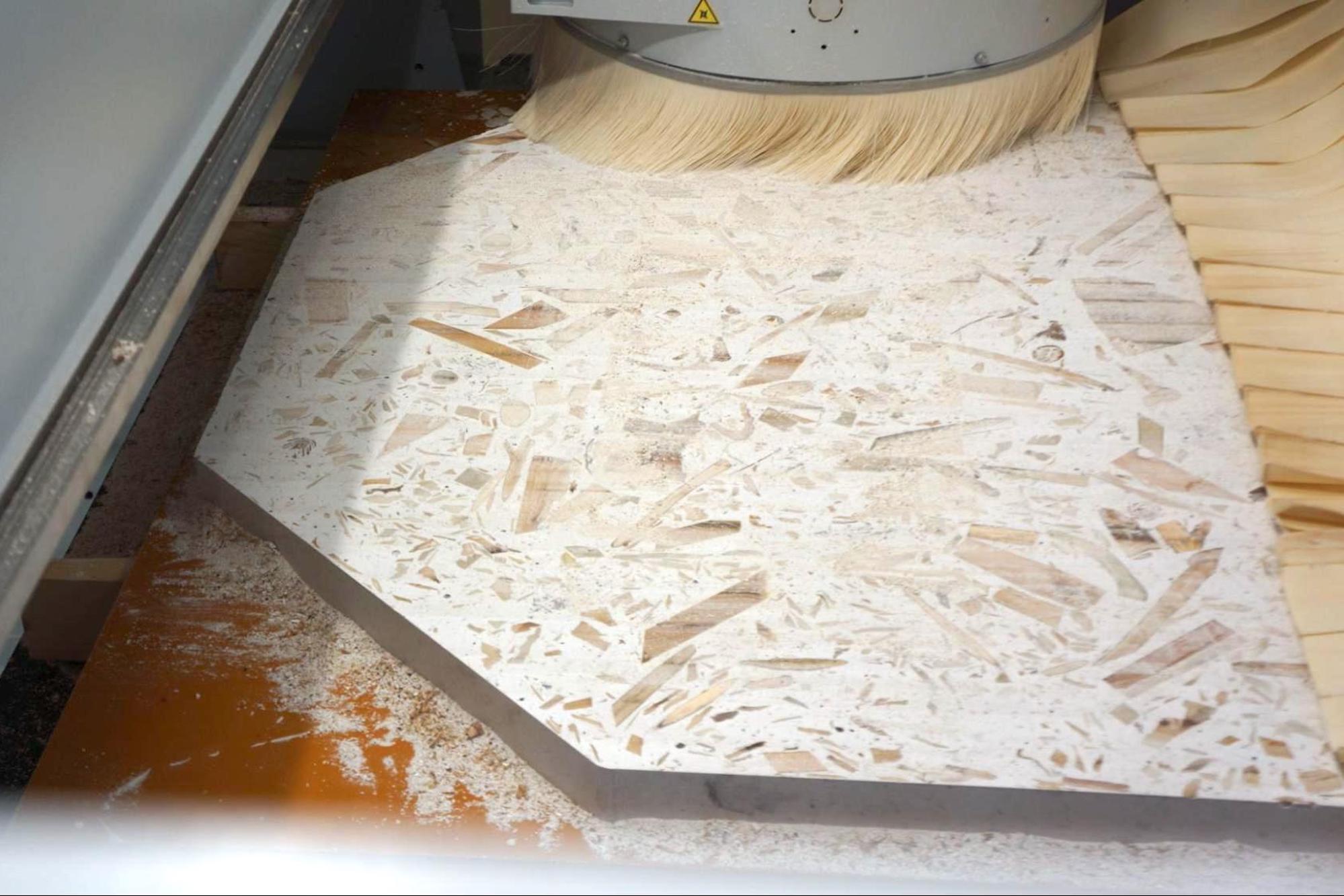
Unlike wood-based materials such as boards, “Forest Bank” is characterized by its ability to transform the entire forest into a usable material. This includes so-called forest residues left behind at logging sites, as well as forest elements such as nuts, decaying wood, and roots.
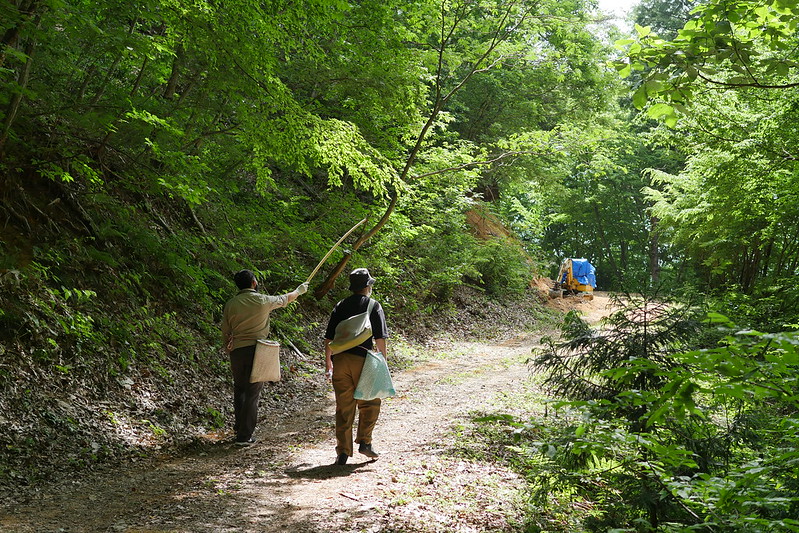
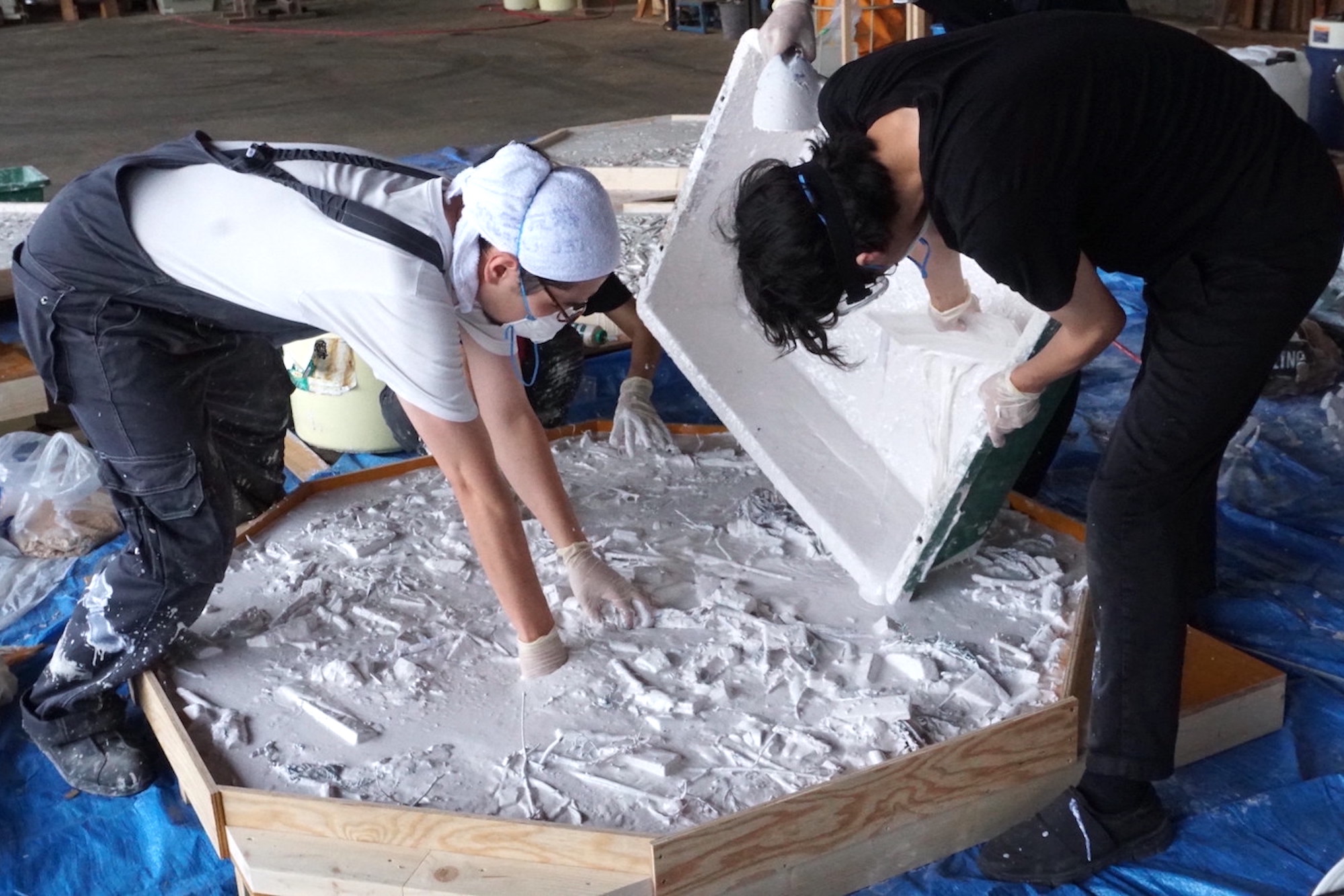
In producing the table tops, Hidakuma was responsible for everything from sourcing the forest materials to detailed design and production direction. Materials collected from two forests—the Hida Forest and the logging site of the Yoshino cedar used on the façade of Asanuma-gumi’s Nagoya branch—were transported to Hidakuma’s production facility, where the entire Hidakuma team, along with Mr. Kano and other project stakeholders, worked together on the production.
Project
“Expressing the ‘richness of the forest’ just as it is”
| What we did | Sourcing, Production, and Production Direction of Wooden Products |
|---|---|
| Credits | 1, |
| Period | June 2021–August 2021 |
Viewpoint Yuma Kano's Perspective

ForestBank Material was originally born from the concept of directly expressing “the richness and beauty of the forest.” In this project, we not only incorporated materials from the forest but also mixed in offcuts and excess soil from the construction site to put them to effective use. The finished tabletop reveals a completely original pattern created by the interplay of “raw materials from the forest” and “wood processed on-site.” I believe this material encapsulates not only the materials from the forest and the construction site but also the various “memories” of everyone involved in this project.
Wood is an indispensable material in people’s daily lives. I look forward to seeing new ForestBank materials emerge through various future projects.